


B2B SEO & AEO Services That Connect to Pipeline, Not Just Rankings
Your buyers spend months researching before a sales call ever happens.
We build the technical foundation, content, and AI search visibility that put your company on their shortlist, then prove which terms and pages are driving pipeline.
Where B2B SEO breaks down
Most B2B companies we talk to don't have a content problem.
They have plenty of content. What they're missing is the connection between what gets published and what closes.
The patterns we hear most:
- "We rank, but not for what our buyers actually search."
- "Content goes up. Pipeline doesn't move."
- "AI answers are quoting our competitors, not us."
- "Sales doesn't trust the leads coming from organic."
- "We're stuck on page two for the terms that matter, and page one for the terms that don't."
If any of those map to your situation, the fix isn't another agency producing more posts. It's a tighter target buyer, a cleaner technical foundation, content that answers what those buyers actually ask, and a measurement layer that ties organic activity to pipeline contribution.
That's the work.

What we build
Five things, in this order.
Strategy, technical, content, authority, measurement. Each one feeds the next.
1. Keyword and topic strategy for the AI-search era
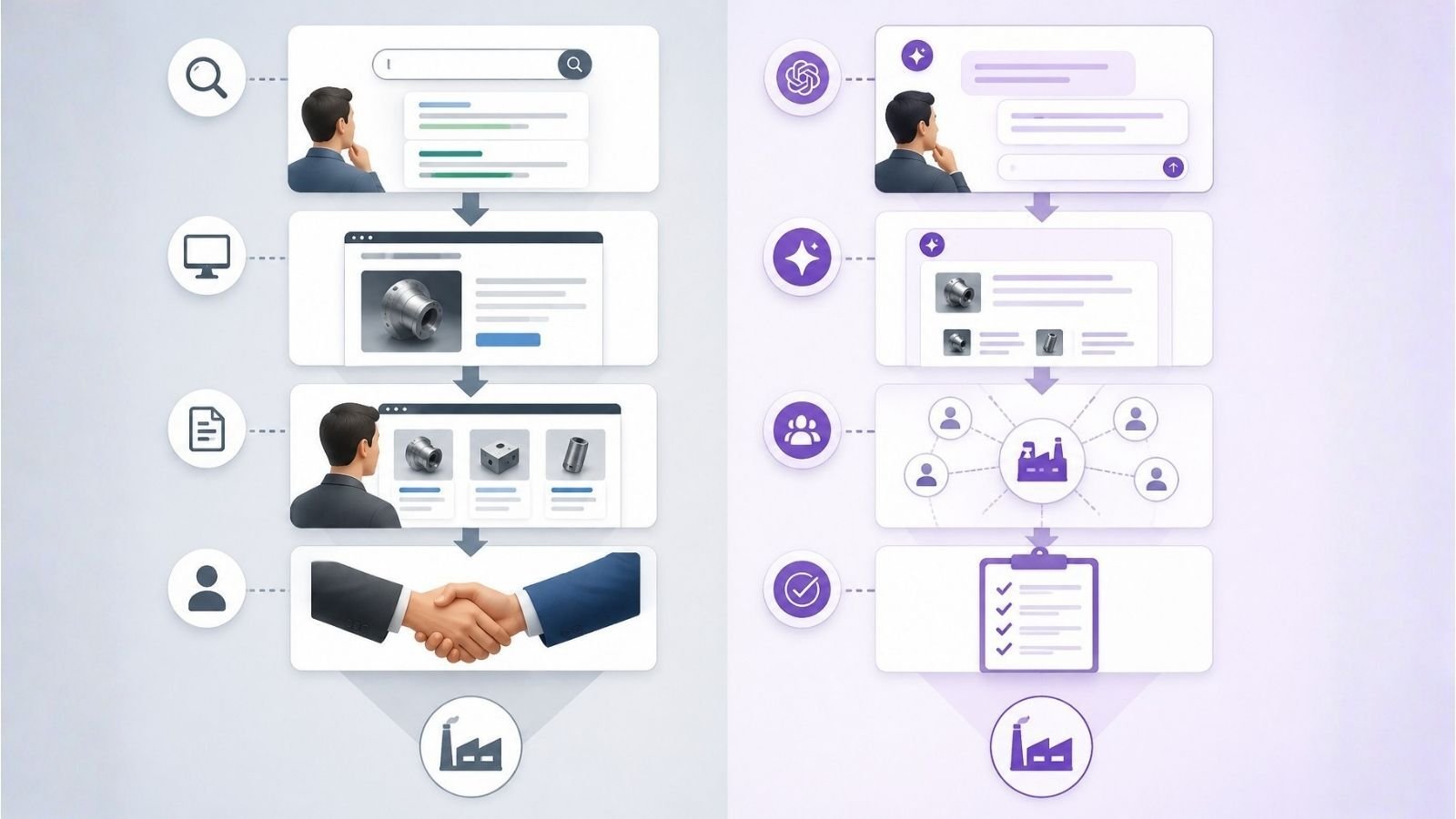
Most B2B keyword research is built on an old assumption: buyers type into Google, click a result, and convert. That's not how research happens anymore.
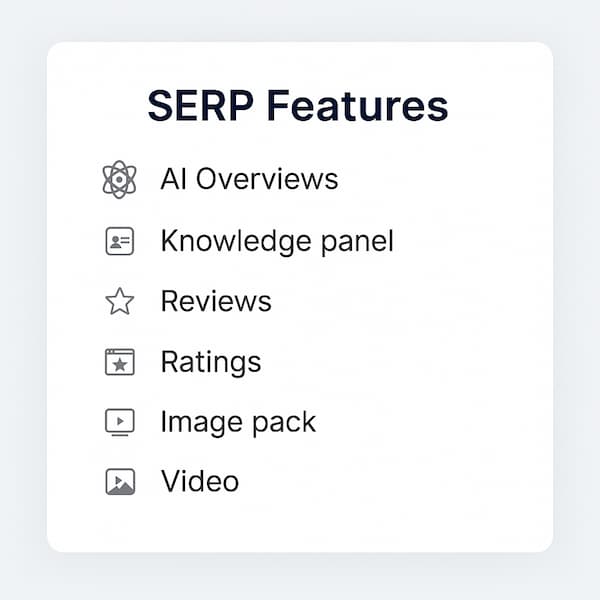
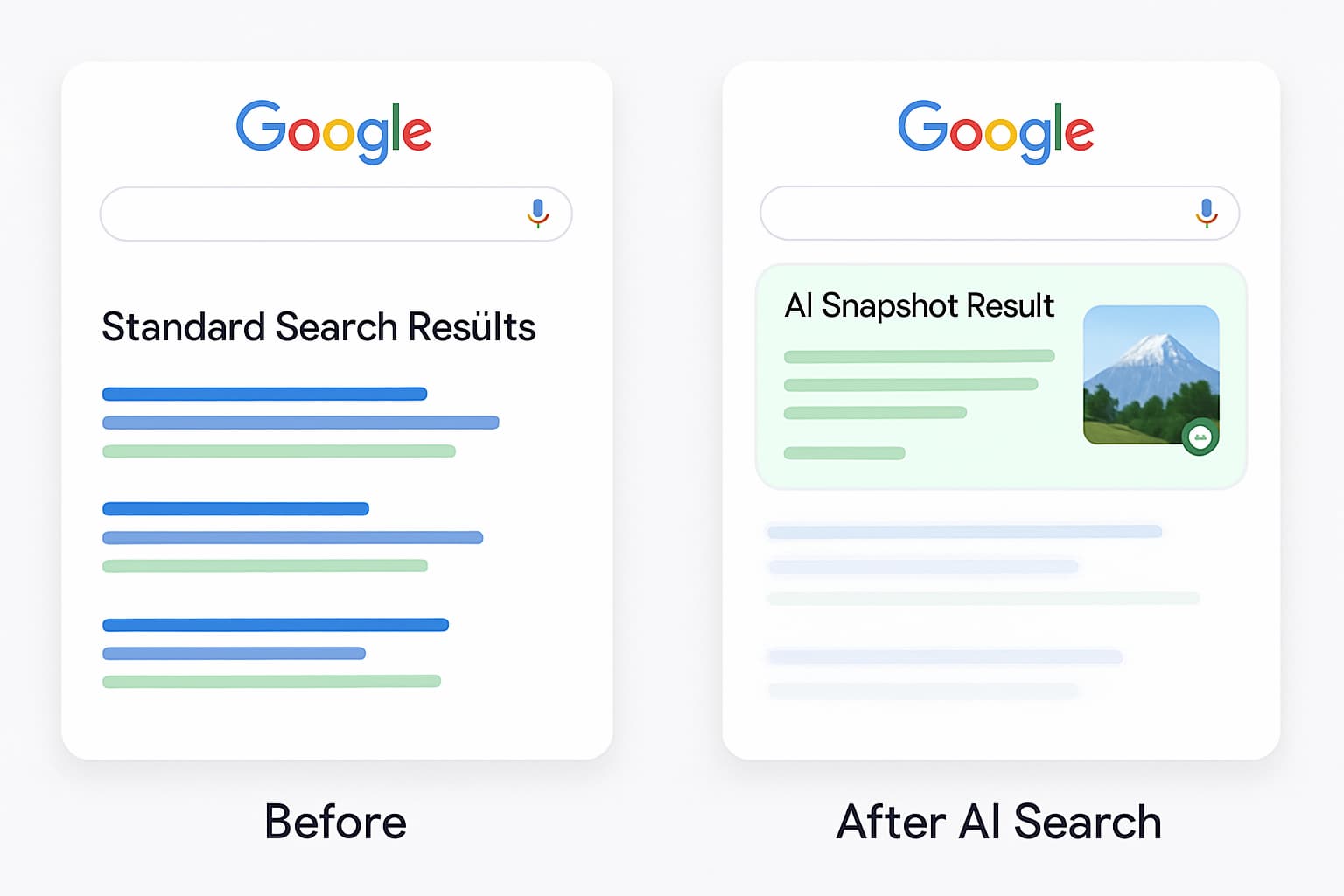
Buyers now ask ChatGPT, Perplexity, and Google AI Overviews questions before they ever land on a website. They compare three vendors in a single AI response. They build a shortlist before you know they exist.
We design keyword and topic strategies for both worlds:
- Topic clusters mapped to your ICP's actual buying questions, not generic category terms
- Search intent grouping by funnel stage: education, comparison, decision
- Competitive gap analysis across traditional SERPs and AI answer engines
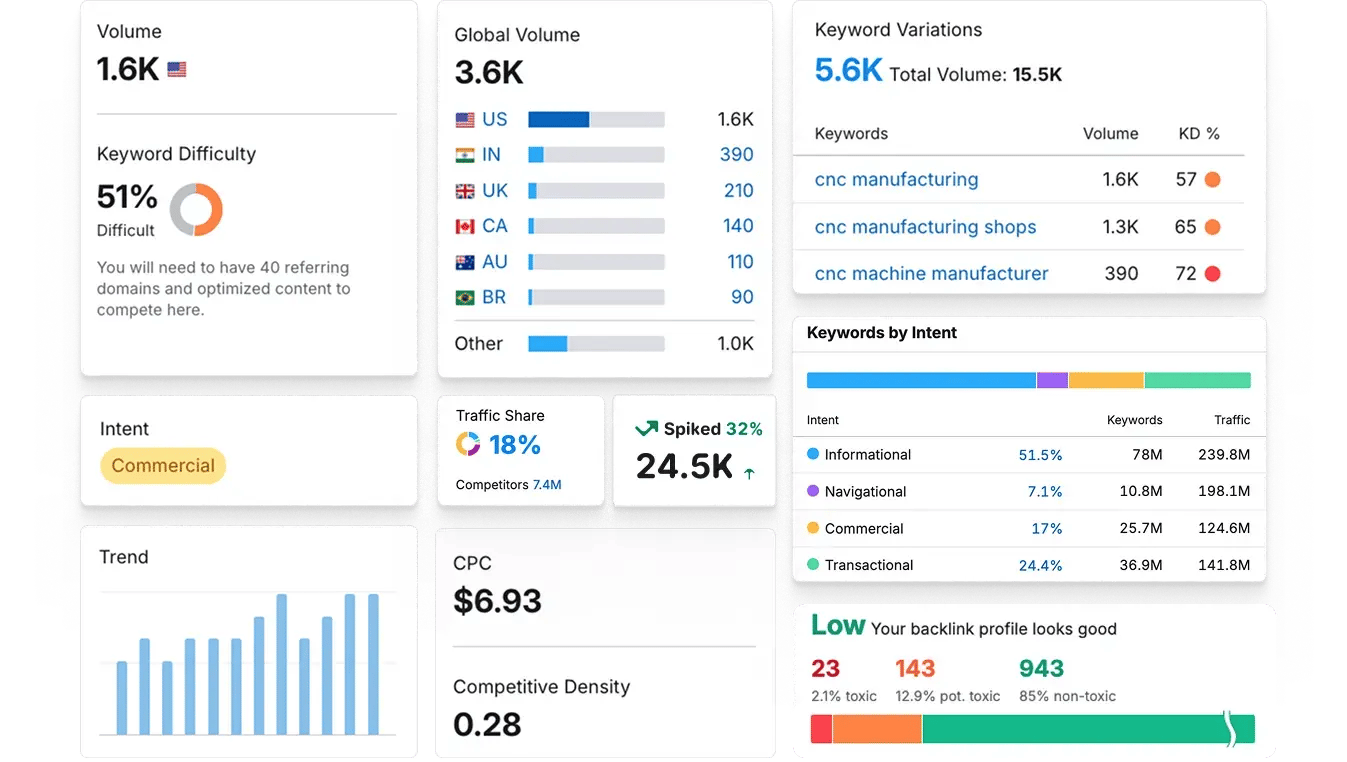
- Keyword difficulty and pipeline-impact scoring, not just search volume
- Internal linking plan that consolidates topical authority page by page
If we're targeting industrial manufacturers, the strategy reflects how plant managers and engineering leads search. If it's cleantech, we know the procurement language. We don't spend the first three months learning your sector.
2. Technical SEO that clears the path
Most B2B sites underperform because of infrastructure, not content.
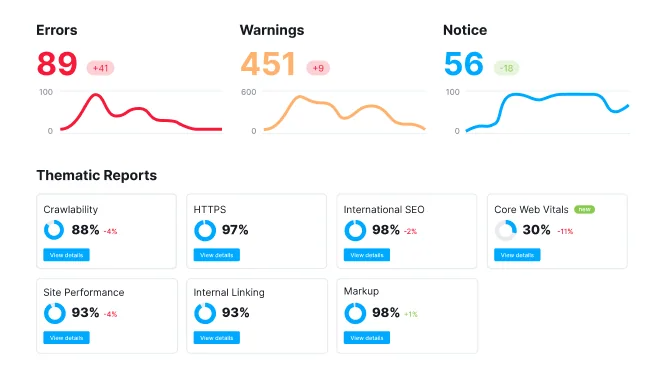
Crawl traps, slow Core Web Vitals, missing schema, sloppy redirects, broken internal links. The content is there. Search engines and AI engines just can't read it cleanly.
We audit and remediate:
- Full-site technical audit with fixes prioritized by impact, not volume
- Structured data, schema markup, and canonicalization
- Core Web Vitals and page speed remediation
- Mobile and multi-region performance review
- Indexation and crawl budget cleanup
- Site architecture aligned to topical clusters
We hand the dev team a list they can execute. No 200-page audit PDF that gets archived on day two.
3. SEO Content Production
Briefs, drafts, and on-page execution built for both search visibility and AI citation.
What's in scope:
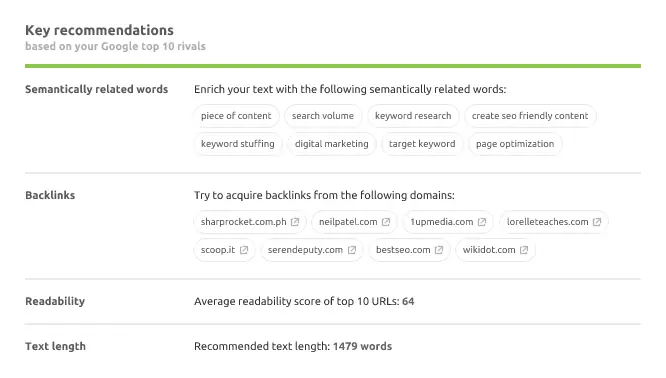
- Briefs that include search intent, primary keyword, AI answer structure, and an internal linking plan
- Drafts written by people who understand your sector, reviewed by the same senior team that wrote the strategy
- On-page execution: title tags, meta descriptions, schema, internal linking, CTAs
- Front-loaded answers and structured formatting for AI Overviews, ChatGPT, and Perplexity
- Quarterly content audits to refresh, consolidate, or retire pages that aren't earning their keep
We can run the whole content engine, or work alongside your existing writers. If you have a content team, we provide the briefs and the optimization layer; the writers stay where they are.
4. Authority and online profile building
Authority in B2B isn't built by chasing backlinks. It's built when your senior team is recognized in the publications, podcasts, panels, and conversations your buyers already trust. Backlinks follow that work; they don't drive it.
What this looks like in practice:
- Sector publication placement (industrial, cleantech, agritech, SaaS) anchored to your team's actual expertise
- Podcast and panel positioning for founders, technical leads, and senior operators
- Original research, data, and explainers built to get cited by both publications and AI answer engines
- LinkedIn profile and content positioning for the senior people who carry your brand
- Branded search visibility and unlinked mention recovery so existing recognition actually compounds
- Speaker and event positioning where buyers gather
The output isn't a backlink report. It's a position in the market where your senior team is the name buyers see, hear, and read before they see your competitors.
5. Analytics, attribution, and reporting
This is where most SEO programs fall short. The agency reports on rankings; leadership asks about the pipeline. Nobody connects the two.
We build the measurement layer that does:
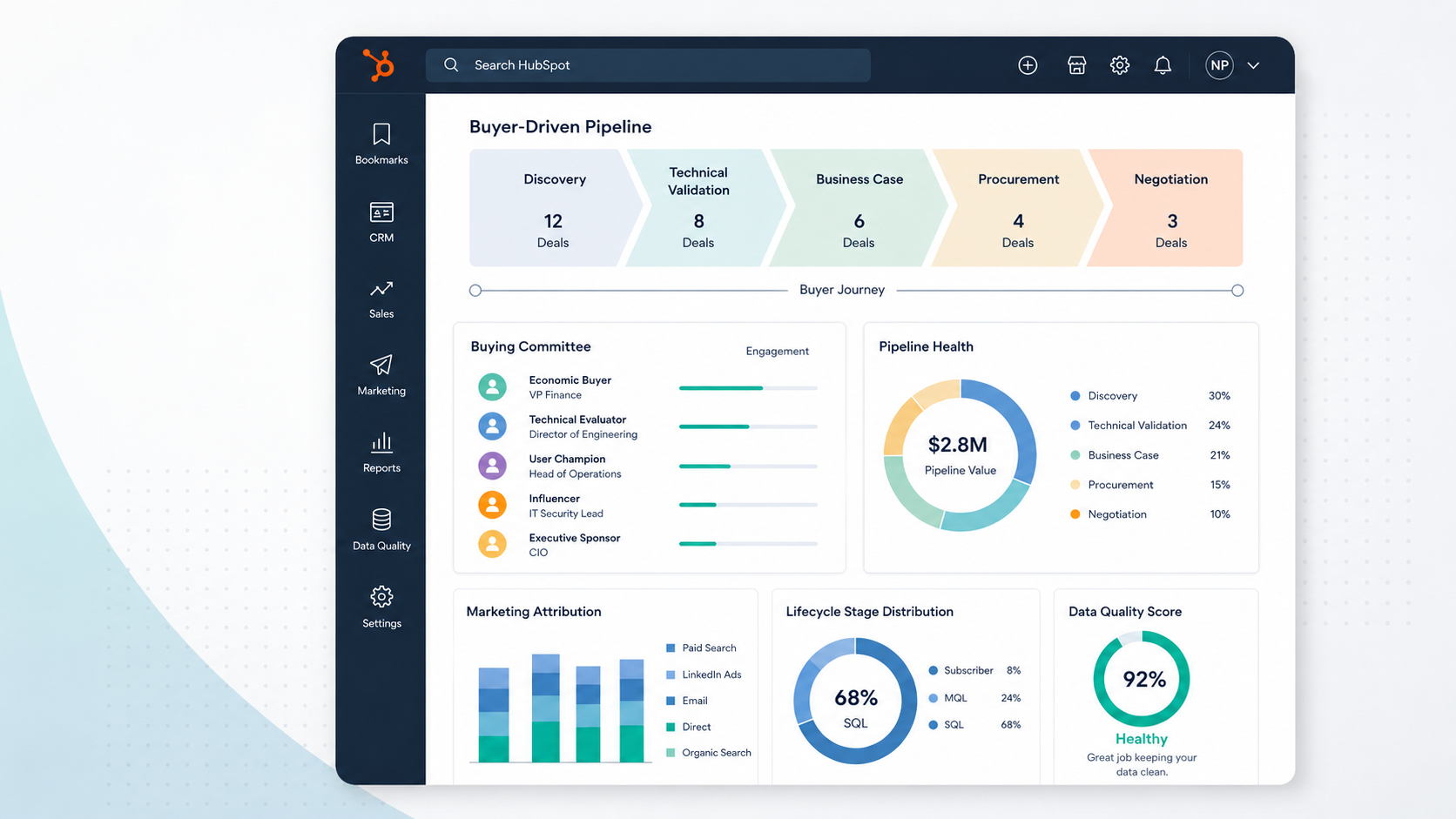
- Dashboards in Databox, HubSpot, GA4, or your existing stack
- Pipeline contribution tied to your CRM (we've been a HubSpot Platinum Partner since 2013)
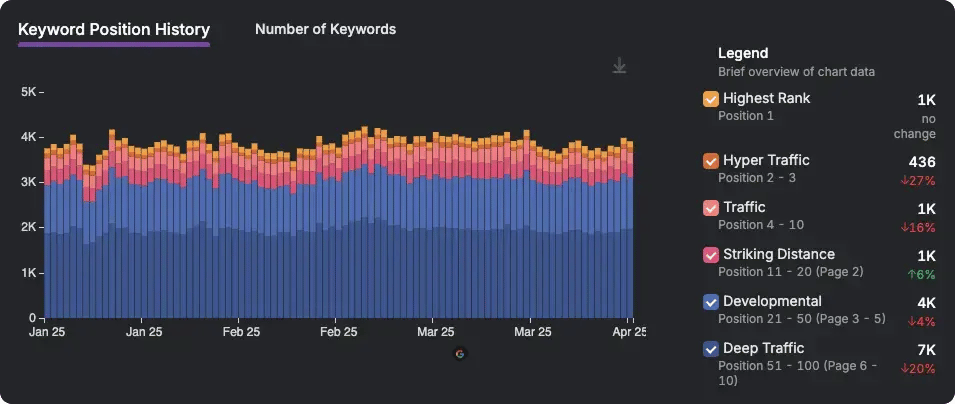
- Keyword visibility, organic traffic, and conversion tracking by funnel stage
- AI-search visibility tracking for ChatGPT, Perplexity, and Google AI Overviews
- Monthly performance reviews with the same strategist who built the plan, not an account manager reading a slide
You get one set of numbers that marketing, sales, and leadership can all read.
How we work
Two ways to engage, depending on where you are.
SEO inside the Demand Generation Retainer
We don't sell standalone SEO retainers. Standalone SEO produces rankings; the leads still don't close. SEO sits inside our Demand Generation Retainer alongside content, paid media, email, ABM, and HubSpot work, so the channel is measured against pipeline contribution, not just organic traffic.
A typical retainer includes:
✅Quarterly strategy and channel planning✅SEO program execution: strategy, technical, content, authority, measurement (everything in section 2 above)
✅Content production tied to search intent and campaign themes
✅Paid media for the high-intent terms, organic can't capture fast enough
✅Lifecycle and nurture workflows in HubSpot
✅Pipeline attribution and monthly performance reviews with the senior team
Investment: Partnerships start at $7,000/month, with most clients investing $10,000 to $15,000/month depending on goals, channel mix, and pace. We recommend a minimum 6-month engagement to give strategy, execution, and optimization time to compound. See full pricing details.
Fit: B2B companies treating organic as a core pipeline channel for the next 6 to 12+ months, integrated with the rest of marketing rather than run in isolation.
SEO/AEO Audit, one-time engagement
A 2 to 4 week engagement.
We assess your organic performance, technical baseline, AI-search visibility (ChatGPT, Perplexity, Google AI Overviews), and competitive position.
You get a prioritized 6-month execution plan your team can run in-house or hand back to us.
Fit: companies that want a strategic baseline before committing to a broader engagement, or teams with internal capacity that need direction more than execution.
Results from clients we've worked with
Three case studies that show what the system looks like in practice.
"This is the most experienced and dedicated team I've worked with in my 35 years in marketing!"
⭐⭐⭐⭐⭐
Gail Bourque
Marketing Director at Erlab
Why B2B companies work with us
20+ years in B2B
We've been doing this since 2003. Most agencies figure out your market on your dime. We come with patterns from manufacturing, industrial, cleantech, agritech, and SaaS, so you don't spend the first six months teaching us the basics.
100% Senior Team
Every team member has 6+ years of experience minimum. No junior handoffs. No account managers passing messages between you and the people doing the work. What you see in the pitch is what you get on the account.
Built for B2B complexity
Long sales cycles, technical buyers, multi-stakeholder deals. Our SEO fits into the bigger marketing system; it doesn't operate in isolation.
Connected to pipeline, not just rankings
SEO is one channel in a demand system. We connect it to paid, ABM, content, and HubSpot, so the work is measurable end-to-end.
AI-search visibility
We structure content for traditional SERPs and AI answer engines: ChatGPT, Perplexity, and Google AI Overviews. If competitors are getting cited and you're not, that gap closes here.
HubSpot Platinum Partner since 2013.
We design the marketing-to-sales system inside HubSpot: lead scoring, attribution, lifecycle stages, and SLA dashboards. The SEO work feeds it.
Frequently Asked Questions
What are SEO services?
A combination of strategy, technical work, content, authority building, and measurement that makes your site discoverable, credible, and convertible. For B2B specifically, it means connecting organic activity to the pipeline, not just rankings or traffic.
See our content and creative services for how SEO fits into the broader content system.
How does SEO benefit B2B companies?
B2B buyers research for months before talking to sales. If you're not showing up in the research, you're not on the shortlist. SEO is how you get into the consideration set early, with content that addresses real buying questions.
Combined with demand generation, it creates a pipeline that doesn't depend on paid spend or cold outreach to stay full.
What does technical SEO include?
Site speed, crawlability, indexation, structured data, mobile and multi-region performance, canonicalization, internal linking, and information architecture. Most B2B sites underperform here, not in content.
If search engines and AI engines can't parse your site cleanly, the content doesn't matter. Often connected to website strategy and development when the underlying site is the bottleneck.
How do you measure the success of SEO?
Keyword visibility, organic traffic, conversions, qualified pipeline contribution, and revenue influence. We build the dashboard so marketing, sales, and leadership see the same numbers.
When SEO is connected to a HubSpot CRM, we can show which keywords drove which deals.
What’s the difference between on-page and off-page SEO?
On-page covers everything on your site: content, metadata, internal links, and structure. Off-page covers signals from elsewhere, mostly backlinks, brand mentions, and citations in AI answers. You need both.
Strong on-page work without backlinks plateaus. Aggressive link building without on-page hygiene doesn't compound.
How long does it take to see results from SEO?
Some technical fixes move rankings within weeks. Content programs typically show traffic growth in 3 to 6 months and pipeline impact in 6 to 9 months.
AI-search visibility can move faster because the ranking signals are different. We set expectations upfront and report on leading indicators monthly, not just final rankings.
How do you use AI in SEO services?
AI handles keyword research at scale, content briefing, performance pattern recognition, and competitive analysis. Strategic direction, audience interpretation, and final editorial decisions stay with the senior team.
We also optimize for AI-search visibility, since that's where a growing share of B2B research now starts.
Do you tailor SEO strategies by industry?
Yes. SEO for industrial manufacturers targets different terms, buyers, and content formats than SEO for cleantech or B2B SaaS.
We come with sector patterns from 20+ years of work, not a generic playbook.
How does SEO tie into inbound marketing?
SEO is the visibility engine. Inbound marketing is the broader system that turns visibility into qualified leads. SEO brings in people who are already searching for what you do.
The nurture, lead scoring, and lifecycle stages convert them into a pipeline.
What’s the first step to start SEO services?
A discovery audit. We review your current organic performance, technical baseline, AI search visibility, competitive position, and pipeline goals before making any recommendations.
Book a session, and we'll walk you through what we'd start with and why.
Search has changed. Most B2B SEO programs haven't.
Buyers are using AI to compare vendors before you know they exist. Rankings without a pipeline don't earn budget. Generic content gets ignored by both buyers and AI engines.
If any of that maps to where you are, we should talk.
No commitment. We'll review your current organic performance, flag the highest-impact gaps, and tell you what we'd do about it.